1. The Problem (What It Feels Like on Your Shop Floor)
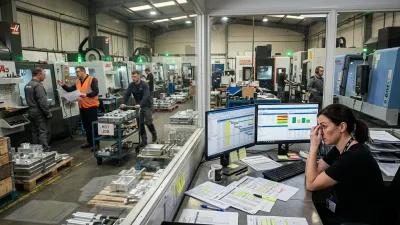
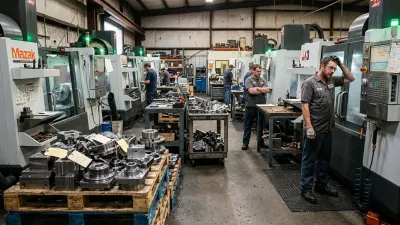
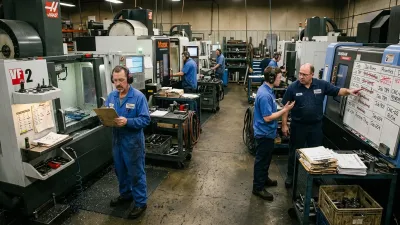
You walk into the shop and everything looks active.
Machines are running.
Operators are working.
There's no "idle time."
But something doesn't feel right.
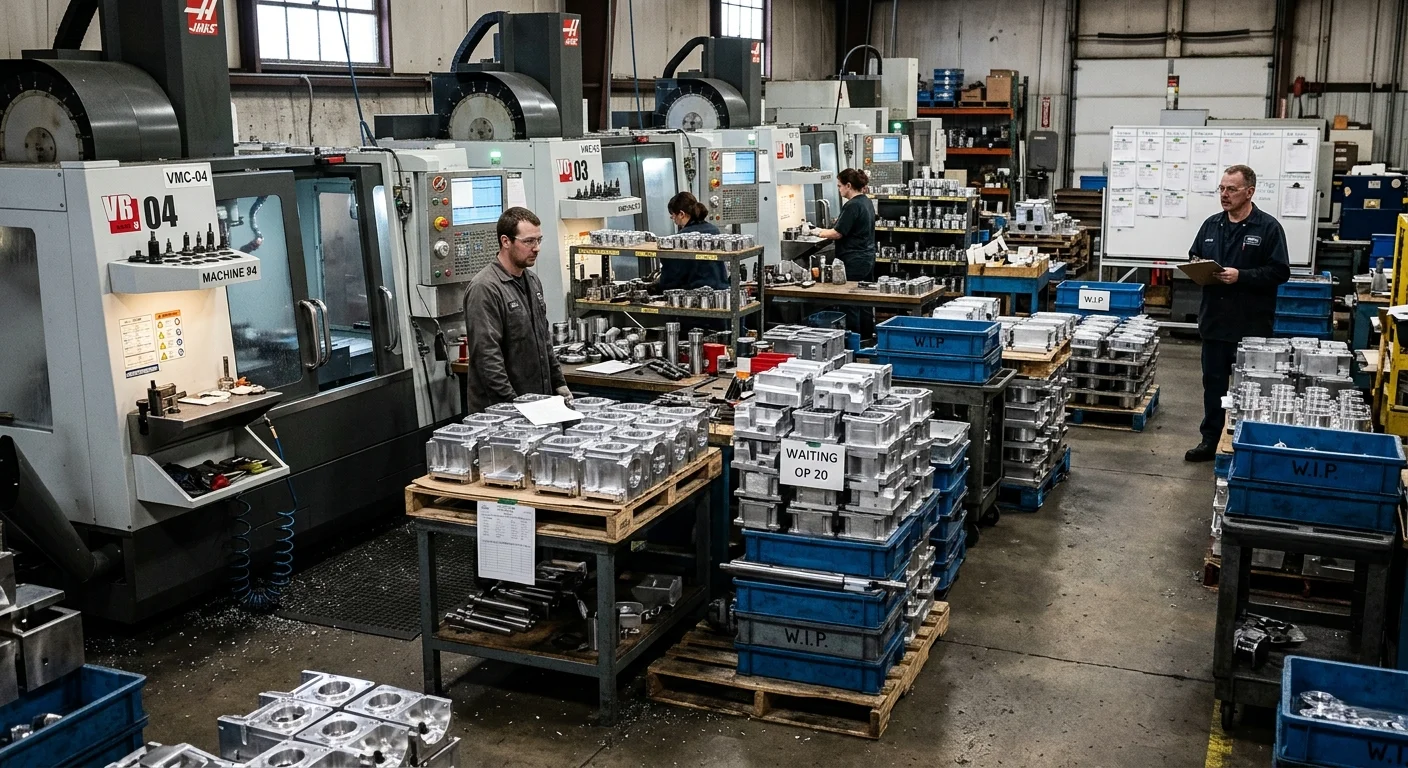
- Jobs are stacked between operations
- Some parts are waiting for the next step for hours, sometimes days
- You keep getting asked: "Where is this job?"
- Deliveries are slipping-even though nothing looks "stopped"
And every week, the same thought comes up:
"We're working all day, so why is nothing actually finishing on time?"
So the natural reaction is:
- Push more jobs into production
- Keep machines running no matter what
- Avoid any idle time
But instead of improving.
Your WIP keeps growing.
2. What Most People Believe
Most shops don't see this as a system problem.
They think:
- "We need to increase utilization"
- "Machines should never sit idle"
- "If we push more work, output will increase"
So they do what feels logical:
- Start jobs early
- Keep feeding machines constantly
- Let operators pick whatever keeps them busy
From the outside, it looks productive.
But inside the system, something else is happening.
3. Why That Thinking Breaks the System
Here's the uncomfortable part:
Keeping everything busy is exactly what's causing the problem.
Because your shop is not a collection of independent machines.
It's a connected system.
And when every machine runs at full speed without coordination:
- Faster operations start pushing more work forward
- Slower operations can't keep up
- Work starts piling up in between
So instead of flow, you get accumulation.
You're not increasing output.
You're just increasing work inside the system.
4. What's Actually Happening
Let's make this real.
You have three stages:
- Turning
- Milling
- Final finishing
Turning is fast.
So naturally, your team keeps pushing parts through it.
Now look at what happens next:
- Milling already has a queue
- More parts arrive → queue gets longer
- Operators at milling try to catch up → still behind
- Finishing gets uneven flow → sometimes waiting, sometimes overloaded
Meanwhile:
- Turning is still pushing more work forward
- Because "we can't keep the machine idle"
Now your shop looks like this:
- Upstream → overloaded
- Midstream → clogged
- Downstream → inconsistent
And in between?
Piles of semi-finished jobs.
Nobody planned this.
But it happens every day.
ERP systems may help track this congestion better-but they do not automatically control the operational behavior creating it.
Once production flow becomes unstable, WIP accumulation becomes almost unavoidable.
This push to keep every machine running feels productive-but it's often driven by utilization targets that don't reflect what's actually happening in the system.
5. What This Actually Costs You
This is where most people underestimate the damage.
📉 Lead times stretch
Even simple jobs take longer-not because of machining time, but waiting time.
📉 You lose visibility
You stop knowing:
- What's actually in progress
- What's stuck
- What's close to completion
Everything just looks "in process."
📉 Priorities get messy
Urgent jobs don't move faster.
They get buried inside WIP.
So you interrupt the system.
Which creates more chaos.
📉 Machines look busy-but output doesn't improve
This is the dangerous one.
You think:
"We're fully utilized."
But shipments don't reflect that.
📉 Your team starts firefighting
Supervisors keep asking:
- "Where is this job?"
- "Why is this not done?"
And no one has a clear answer.
👉 And this is the same reason your daily production schedule keeps failing-because once WIP builds up, planning loses control.
6. What Needs to Change
You don't fix this by pushing harder.
You fix it by changing how work moves.
That means:
- Stop releasing work just to keep machines busy
- Align production with what your slowest step can actually handle
- Pay attention to flow between operations-not just machine output
- Accept that some controlled idle time is healthier than uncontrolled buildup
This is the shift:
👉 From "keep everything running"
👉 To "keep work moving smoothly"
Until that changes, WIP will keep increasing.
No matter how hard your team works.
7. Operational Review
If your shop feels busy all the time, but output doesn't match,
You're not dealing with a capacity problem.
You're dealing with a flow problem.
In an Operational Workflow Review, we look at:
- Where work is actually getting stuck
- Why WIP keeps building without being visible
- Which part of your system is silently slowing everything down
This is not a generic discussion.
It's based on how your shop actually runs day to day.
If you want to stop managing WIP and start controlling it,
you can request a review.